What We Can Help With.
What We Can Help With.
-
![Neck Pain, Shoulder tightness, Desk work posture, Headaches, Muscle Pain Chiropractic care for you]()
Head/Neck Related
• Neck pain and stiffness
• Tension headaches
• Migraines
• Cervicogenic headaches (originating from the neck)
• Poor posture (including “tech neck”)
• Whiplash and car accident injuries
• Muscle tightness and strain in the neck and shoulders
• Restricted neck movement or reduced range of motion
• Jaw pain and tension (including TMJ-related discomfort)
• Dizziness related to neck dysfunction
• Nerve irritation or “pinched nerves” in the neck
• Shoulder tension linked to neck issues -
![The Chiro Clinic, Expert Chiropractic care for all ages babies to geriatric care. Osteoporosis massage physical therapy session.]()
Mid Back Related
• Mid-back pain and stiffness
• Muscle tightness and tension between the shoulder blades
• Poor posture (including slouching or desk-related strain)
• Joint restriction in the thoracic spine
• Rib joint dysfunction or pain
• Pain with deep breathing or rib movement
• Repetitive strain injuries from work or daily activities
• Sports-related mid-back injuries
• Postural fatigue and discomfort
• Referred pain from the mid-back into the chest or ribs
• Early signs of spinal wear and tear (degenerative changes) -
![Low back pain, Sciatica, Flexion Distraction, Muscle pain, Nerve pain, Slipped disc, Disc Bulge, Hip Pain The Chiro Clinic]()
Low back related
• Lower back pain and stiffness
• Muscle strains and ligament sprains
• Sciatica and nerve-related leg pain
• Disc-related issues (such as bulging or herniated discs)
• Joint dysfunction in the lumbar spine
• Sacroiliac (SI) joint pain
• Postural strain from sitting or lifting
• Work-related or repetitive strain injuries
• Sports-related lower back injuries
• Reduced mobility or flexibility
• Early degenerative changes (wear and tear)
• Pregnancy-related lower back discomfort -
![Pregnancy Chiropractor for healthy pregnancy, Hip and back pain when pregnant, Muscle pain]()
Pregnancy related
• Lower back pain
• Pelvic pain and discomfort
• Sacroiliac (SI) joint pain
• Hip pain and tightness
• Sciatica and nerve-related leg pain
• Mid-back and rib pain
• Postural strain as your body adapts
• Muscle tension and fatigue
• Round ligament discomfort
• Difficulty sleeping due to discomfort
• General joint stiffness and reduced mobility
• Preparation for birth through improved pelvic alignment -
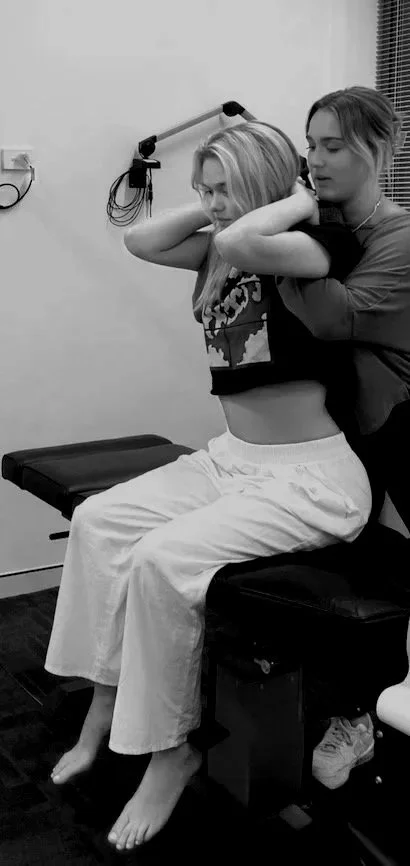
![Chiropractic Adjustment, Slouched posture, neck hump, arthritis, pain prevention]()
Posture and Wellness related
• Poor posture (including desk posture and “tech neck”)
• Postural imbalances and asymmetry
• Spinal stiffness and reduced mobility
• Muscle tension from daily stress
• Fatigue related to physical strain
• Reduced flexibility and movement
• Work-related aches and discomfort
• Repetitive strain from daily activities
• Sedentary lifestyle-related stiffness
• Postural changes during growth or ageing
• General “tightness” or feeling out of alignment
• Preventative care to maintain spinal health and wellbeing -
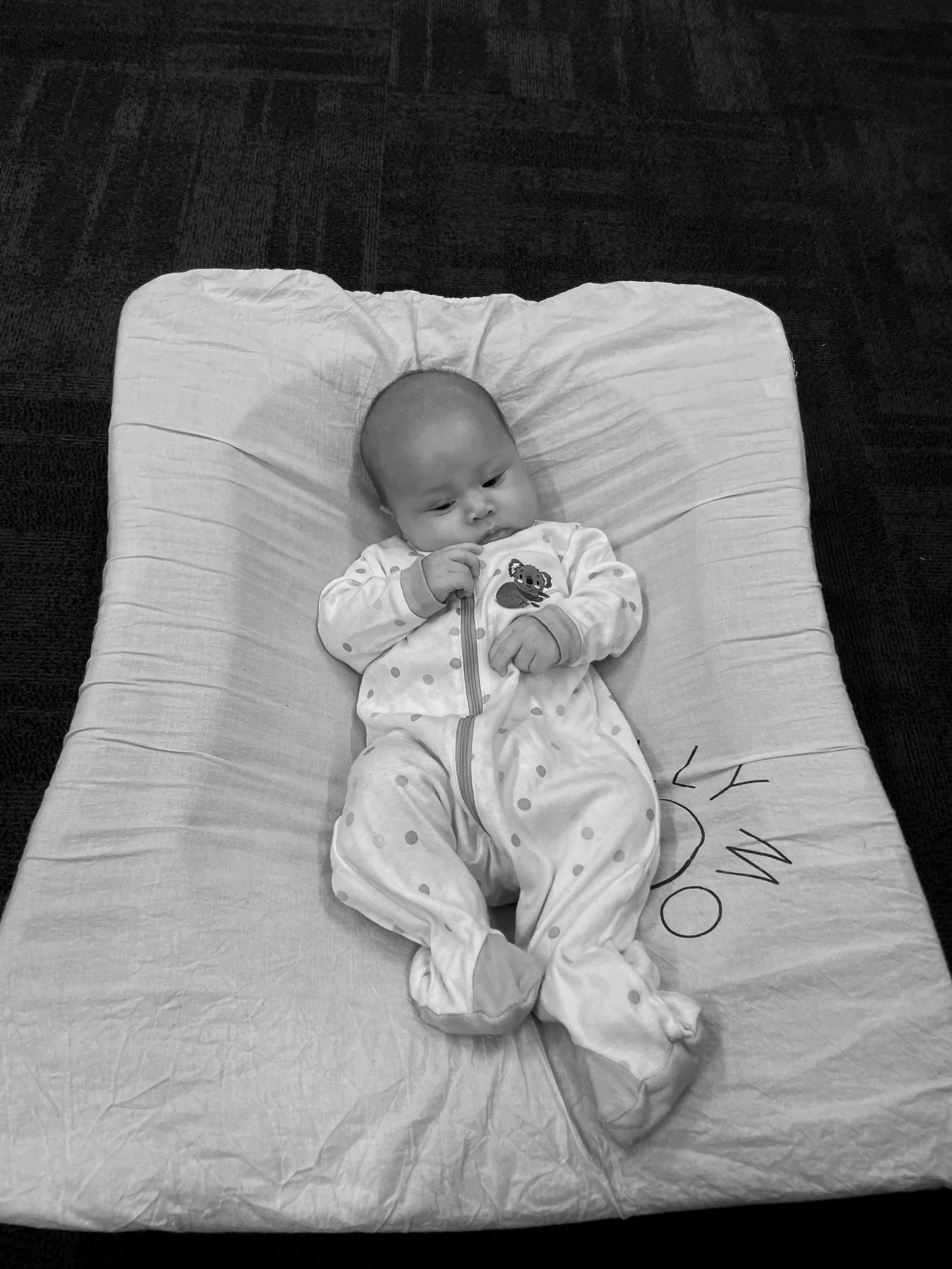
![Baby Chiropractor, Reflexes, feeding, healthy growth, safe, gentle experienced chiropractor]()
Paediatric related
• Feeding difficulties (including support alongside tongue/lip tie management)
• Latching issues in infants
• Digestive discomfort (such as colic, reflux, and wind)
• Irritability or unsettled behaviour
• Sleep difficulties
• Torticollis (head tilt) and preference to one side
• Flat head syndrome (plagiocephaly) support
• Delayed or uneven developmental milestones
• Postural imbalances in growing children
• Coordination and balance concerns
• Retained primitive reflexes
• Growing pains
• Sports injuries in active kids and teens
• General muscle tightness or stiffness
• Support for overall movement, development, and wellbeing -
![Shoulder pain, Bursitis, Chiropractic care, lack of mobility, Frozen shoulder, Tennis elbow, carpal tunnel, The Chiro Clinic, Kelmscott]()
Extremity Related
• Hip, knee, shoulder, elbow, wrist, and ankle pain or joint dysfunction
• Osteoarthritis of the hip and knee
• Bursitis and tendinopathies (including rotator cuff, gluteal, patellar, and Achilles)
• Muscle strains and soft tissue injuries (hamstrings, quadriceps, calves, and upper limb muscles)
• Ligament sprains and joint instability (including ankle and knee)
• Meniscus and labral irritation (non-surgical cases)
• Runner’s knee and IT band syndrome
• Tennis elbow and golfer’s elbow
• Carpal tunnel syndrome and nerve entrapment
• Sciatica and referred pain into the arms or legs
• Plantar fasciitis, heel pain, and forefoot conditions (e.g. Morton’s neuroma, metatarsalgia)
• Foot posture issues (flat feet or high arches)
• Poor biomechanics, gait abnormalities, and overpronation/supination
• Repetitive strain and overuse injuries
• Post-injury stiffness and reduced mobility
• Balance, stability, and proprioceptive deficits